News / 6TH OCT 2026

Digital campaigning with impact: lessons from Labour Party Conference
4 takeaways on campaigning I got from this year's conference
This year the Breakthrough team went to the Labour Party Conference for the first time.
At conference, we heard from campaigners, charity leaders, policy experts and senior members of Andy Burnham's Government about where the country is heading. I learnt a lot about how digital campaigns can move both the public and the government.
If you're a campaigner working out how to deal with the new government, here are my four takeaways:
1. Focus on the messenger, not just the message
As campaigners, spend a lot of time on how to make a message cut through. At conference, I kept hearing about something else: the importance of who delivers it.
One MP even admitted they aren't always the most convincing messengers for their own policies. The people who connect best online are people from within communities, who remind others of themselves and understand how local people feel.
Breakthrough-backed campaigner Kwajo Tweneboa (opens in a new tab) has spent his life navigating the UK social housing system, including being placed in poor living conditions. Today he's a powerful voice on housing injustice. He calls out housing providers and mobilises his followers to push the government for change.
Working with him, we've seen how much audiences trust and connect with him. That trust has played a big part in compelling the government to act.
Takeaway: make sure your messenger feels authentic to the issue and the people you're trying to reach.
2. Money doesn't buy credibility
As Georgina Laming from Hope Not Hate put it during a panel, funding isn't the deciding factor in winning change. Your opposition may be backed by millionaires, but that doesn't mean their message will land.
Instead, focus on the power you do have: authenticity, credibility and trust.
When Breakthrough-backed campaigner Zelda Perkins began campaigning against the misuse of NDAs, she had to break the NDA she signed while working for Harvey Weinstein just to tell her story. Through her campaign, Can't Buy My Silence UK, (opens in a new tab)she faced opponents with far more resources. She kept speaking out and used her own experience as evidence for why change was needed.
It wasn't easy, but Zelda's secured a landmark amendment in the Employment Rights Bill shows that when you lead with direct experience, you can cut through and create change that's felt in real lives.
Takeaway: Don't worry if you are out-resourced, your story, your evidence and your voice matters.
3. Build power with the people a policy affects
Kirsty McNeill MP shared a striking example. Previous Labour governments introduced both Sure Start and the minimum wage. After the next change of government, Sure Start was steadily defunded, and many centres closed. The minimum wage, meanwhile, has risen ever since.
The difference? Sure Start was handed down by the Government. The minimum wage was fought for by workers, through trade unions, over decades. Any government trying to roll it back would face thousands of organised campaigners. Sure Start had no community-led movement to defend it, which made it far easier to cut.
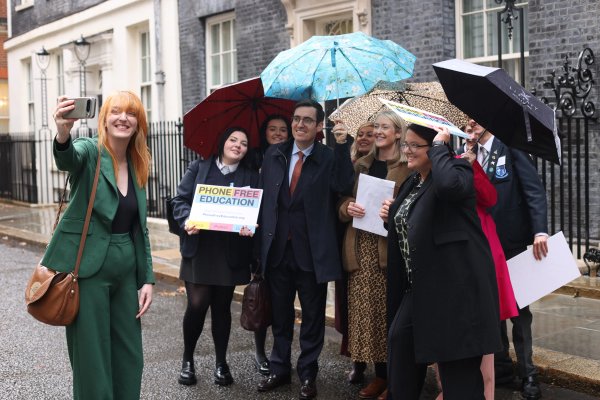
At Breakthrough, I see this every day. When Breakthrough-backed campaigner Esther Ghey won her Phone Free Education campaign (opens in a new tab), much of the credit went to the parents, teachers and families behind it. A campaign that started in parents' WhatsApp groups became a real policy change. When the Prime Minister met Esther and other bereaved parents who had lost children to the harms of social media and phones, he knew how much community backing they had, and he had to take it seriously.
Takeaway: Build your power within the communities affected by the injustice; that’s how you make lasting change
4. Make the decision easy for politicians
David Wilson from the National Education Union made a great point about our role as campaigners in the political ecosystem.
We can't write the law or vote on it in Parliament. What we can do is show that an issue is popular and that people care about it. That gives the government both the pressure to act and the cover to defend its decision when it faces opposition.
A lot of MP’s really do want to support communities, but they need public backing to show it’s the right political move to do it. Petitions, letters to MPs, rallies and online video views all build that case.
And that’s what I try to do at Breakthrough. Along with the team, we help direct-experience campaigners use their power, mobilise their networks, amplify their voices on social media and reach mass audiences to grow their movements. And it really pays off. 3 years in and 14 policy wins later, we are sure of it!
Takeaway: Mobilising and building public support matters
Blog post written by Aaliyah Burns, Campaign Manager (Digital) at Breakthrough